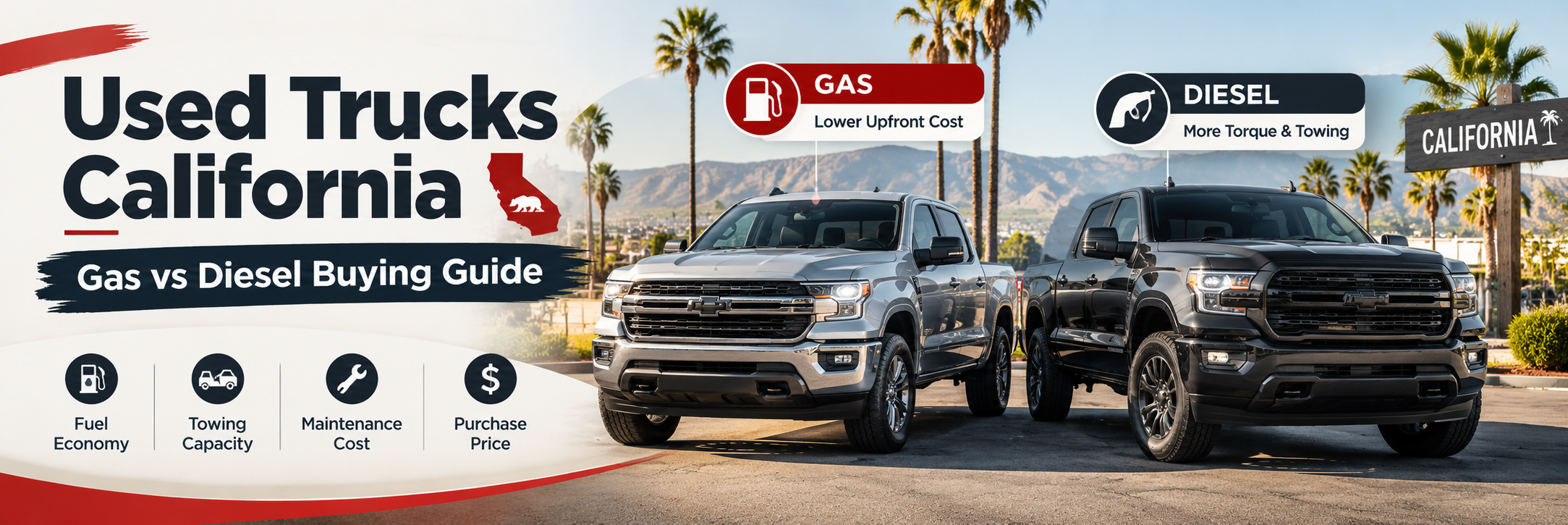

Finding a reliable used car near you in California means starting with local inventory instead of nationwide listings, cross-checking vehicle history before you fall for a good price, and walking away from anything you can't get independently inspected. That's the core of it, and everything below builds on that foundation.
California drivers have a strange advantage most people don't think about. Because so many cars move through the state every year, from lease returns to trade-ins to relocations, the used market here stays deep and constantly refreshed. That's good news if you know how to search it properly, and it's exactly what this guide walks you through for 2026.
Why Buy Used Cars in California?
A used car in California typically gets you more vehicle for the same money, since someone else already absorbed the sharp value drop that hits every car in its first couple of years. That single fact is why so many buyers who could afford new still choose pre owned cars California dealers have on their lots.
It's not just about price either. California's climate is genuinely kind to cars. Less road salt, fewer harsh winters, and generally milder conditions mean used vehicles here often hold up better mechanically than the same model driven somewhere colder.
Benefits of Buying Used
Buying used shields you from the part of a car's life where it loses value fastest, which happens almost entirely in the first two to three years of ownership. After that point, depreciation slows down considerably, so you're paying closer to what the car is actually worth going forward.
A few other reasons used continues to make sense:
- You sidestep the steepest depreciation curve entirely
- Insurance premiums are often noticeably lower on used vehicles
- You can afford a higher trim level or larger vehicle for the same budget
- Reliability data already exists for the model year you're considering
- Vehicle history reports give you a real paper trail most new cars simply don't have yet
Used vehicles california shoppers find today also tend to come from a wider pool of trade-ins, which means better odds of finding a specific color, trim, or feature set without waiting months for a new order.
Best Places to Search
The smartest search strategy starts narrow, not broad. Filtering by your actual location first means every listing you see afterward is realistically within reach, instead of scrolling past cars three hundred miles away.
Here's a search order that tends to work well:
- Start with your city or region so results reflect nearby used cars
- Layer on brand and model once location narrows things down
- Pull up two or three comparable listings before deciding on one
- Check for dealer reputation or seller reviews wherever they're available
Someone shopping from the South Bay might begin with used car inventory in San Jose, while a buyer further south would likely start closer to home with Los Angeles area listings. Either way, location-first searching cuts out a huge amount of noise before you even start comparing features.
Buyers who already know their preferred brand save even more time. Jumping straight into something like Toyota's used inventory or Infiniti's used vehicle selection skips past everything that was never going to be a fit anyway.
How to Inspect a Used Car
A proper used car inspection covers four things: the body and interior condition, what's happening mechanically under the hood, the paperwork behind the vehicle, and how it actually feels to drive. Buyers who skip any one of these steps are the ones who end up with surprise repair bills weeks later.
Work through it in this order:
- Walk the exterior slowly and look for uneven panel gaps, mismatched paint, or fresh touch-up work that could be hiding old accident damage
- Sit inside and test everything — seats, windows, infotainment, air conditioning — since wear that doesn't match the odometer is a red flag
- Pop the hood and check for fluid leaks, corrosion, or belts and hoses that look older than the car claims to be
- Pull the vehicle history report and confirm the title is clean and the ownership timeline makes sense
- Drive it properly, not just around the block, covering both city streets and highway speeds to catch noises or handling issues that only show up at speed
- Bring in a trusted mechanic for anything you're on the fence about, before you sign anything
A listing photo can hide a lot. The only way to really know what you're buying is to see it, sit in it, and drive it yourself.
Comparing similar vehicles side by side also sharpens your judgment fast. Cross-checking something like a 2015 Porsche Cayenne S against other SUVs in the same range makes it obvious whether the mileage and asking price actually line up with the rest of the market.
Matching the Right Model to Your Needs
Not every used car fits every driver, and matching your daily needs to the right body style saves you from buying something you'll outgrow within a year. A few common starting points:
- Sedans for commuting and easy parking in denser cities
- Mid-size SUVs when you need cargo room without going full-size
- Hybrids if lowering fuel costs matters more than raw performance
- Trucks or cargo vans for anyone hauling equipment regularly
If a sedan is on your radar, it's worth understanding how the top contenders actually compare over time rather than just going by first impressions. This look at how the Camry and Accord compare for long-term resale value covers exactly that kind of detail.
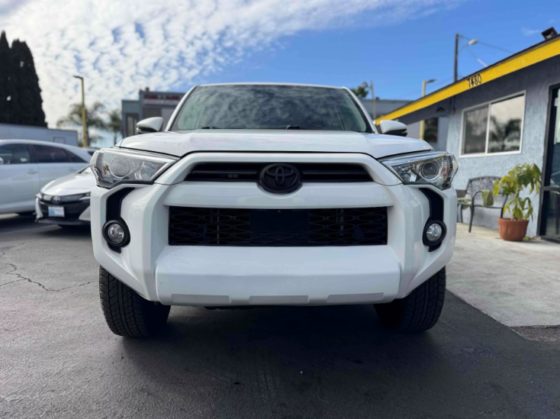
SUV shoppers usually end up cross-shopping something like a Toyota 4Runner SR5 Premium against a BMW X1 or Audi Q5. All three land in a similar size class, but the driving feel and interior tech differ enough that a test drive matters more here than usual.
For buyers prioritizing fuel economy, the Toyota Corolla Hybrid is worth cross-shopping early. Anyone needing a work vehicle instead should take a look at the Ford Transit Connect Cargo, which handles hauling needs without the size or cost of a full van.
Where the Market Is Headed
Second hand cars california buyers are shopping for today look different than they did even a few years ago, largely because more electric and hybrid vehicles are finally aging into the used market. That shift is already changing how gas-powered used cars are priced and how quickly they sell.
This article on why electric vehicles keep gaining ground across California breaks down what's fueling that shift and what it could mean for resale values on traditional gas vehicles going forward.
For a real-time read on what's catching buyer attention right now, featured used listings offer a quick pulse check on demand across different segments.
Final Thoughts
The difference between a smart used car purchase and a regretted one in California almost always comes down to patience. Search locally first, compare a few realistic options, and never skip the inspection just because a listing looks polished online.
Car Listing Hub pulls local inventory, model comparisons, and market trends into one place, so you're making decisions based on real information instead of guesswork. Start with your city, narrow by what you actually need, and let the inspection checklist above do the rest before you sign anything.
Frequently Asked Questions
Is a two or three year old used car usually a better deal than a brand new one? Often, yes. The car has already absorbed the steepest part of its depreciation, so you're paying closer to its real long-term value.
What's the fastest way to narrow down used car listings in California? Filter by your city first, then by brand or model. Searching broadly across the whole state usually wastes time on cars that aren't realistically within reach.
Can I trust a used car listing without seeing the vehicle history report? No. A history report is one of the few ways to confirm accident history and title status before you're standing in front of the car.
Do hybrid used cars make sense for California driving? For most commuters, yes, especially as more hybrid and electric models continue entering the used market at competitive prices.
What's the biggest mistake buyers make when comparing similar used cars? Focusing on price alone instead of weighing mileage, condition, and maintenance history together, which usually tells a more accurate story.