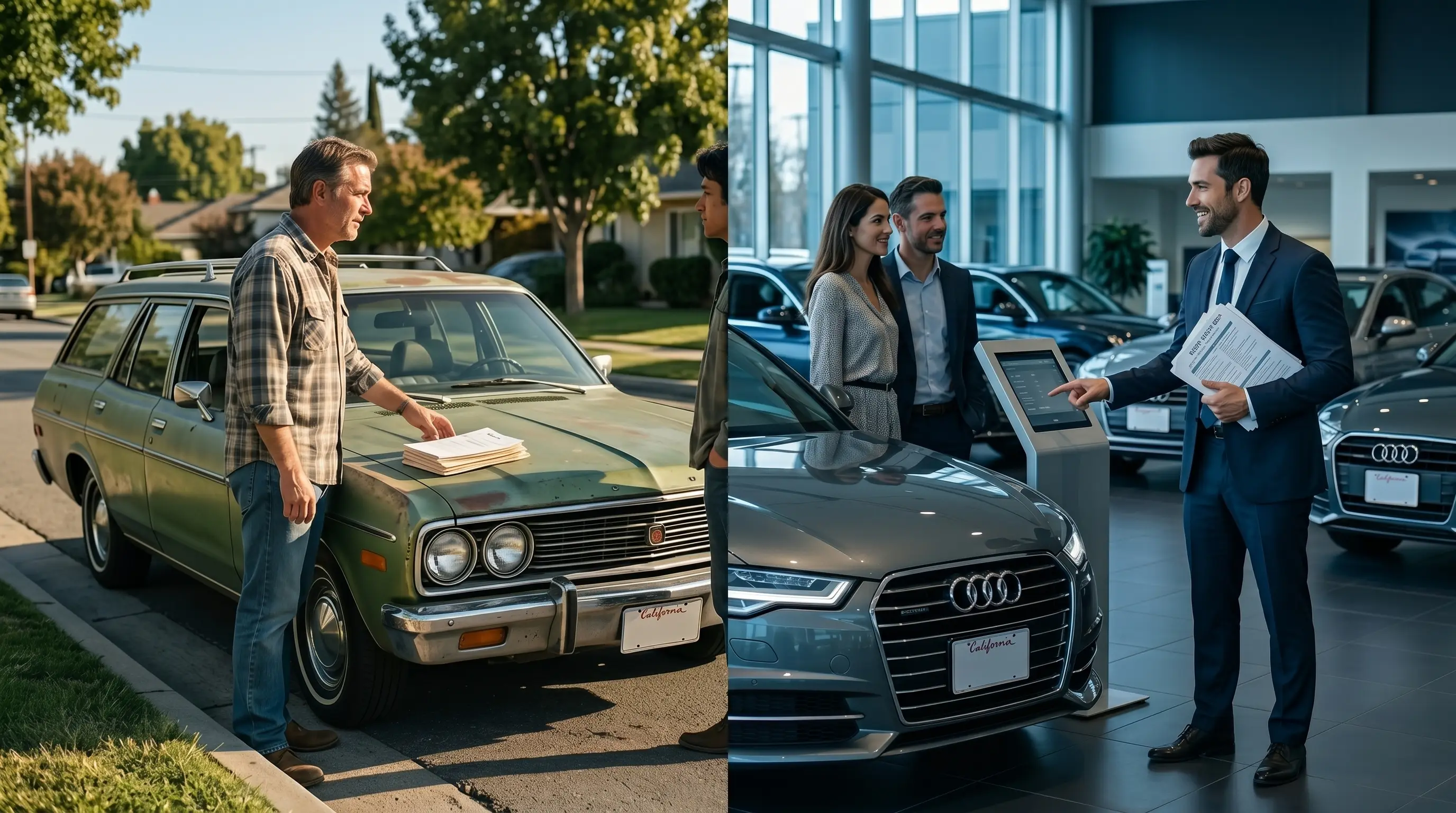

When sourcing your next vehicle on CarListingHub.com, you will choose between listings from private individuals and licensed pre-owned dealerships. Each path has distinct financial, legal, and administrative differences.
The Financial Realities: Upfront Costs vs. Added Value
Buying from a private seller generally offers a lower initial purchase price. Private individuals do not have corporate overhead costs, building leases, or sales commissions to pay, meaning their bottom-line price is usually closer to the actual market value of the car.
On the other hand, buying from a licensed dealer involves higher upfront costs due to their profit margins and document processing fees (which are legally capped at $85 in California). However, dealers add value by offering in-house financing options, accepting vehicle trade-ins, and providing access to manufacturer-certified pre-owned vehicle protection plans.
The Paperwork Divide
The administrative steps vary significantly depending on where you buy the car:
[Private Sale] ➔ Buyer manually manages Title, Bill of Sale, & visits the DMV within 10 days.
[Dealer Sale] ➔ Dealer electronically processes all registration and tags at the point of sale.
The Consumer Protection Gap
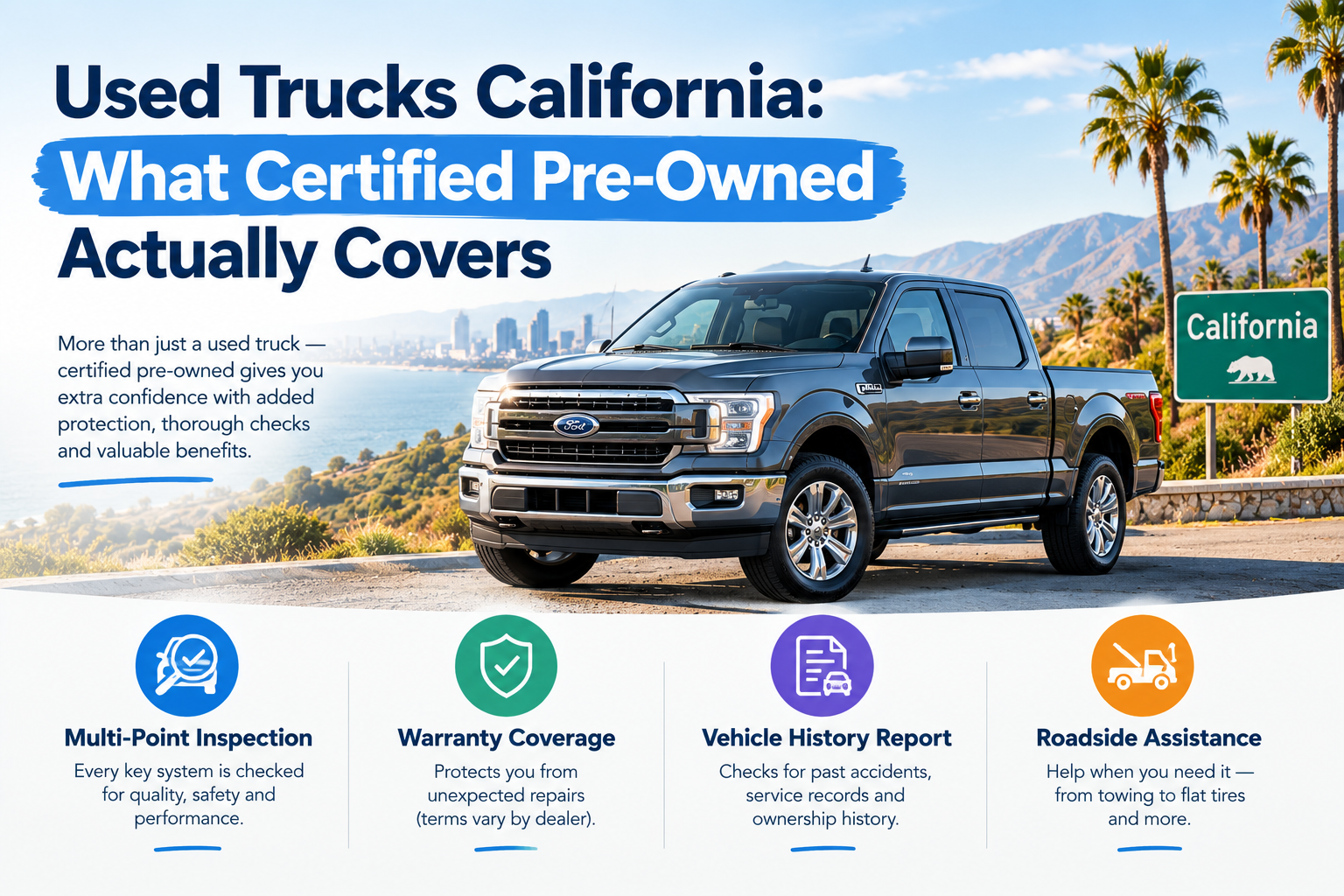
The biggest difference between these two buying options lies in your legal protections. Dealership transactions are heavily regulated by the California Car Buyer’s Bill of Rights. This law ensures that if you buy a certified pre-owned car, the dealer must provide a complete, multi-point inspection report and verify that the vehicle has a clean title history.
Conversely, private party transactions are strictly "as-is" sales. Unless you can prove explicit, intentional fraud, you have no legal recourse if the vehicle experiences an engine failure a week after purchase.